17 September 1248 · Limassol
Louis IX arrives in Cyprus
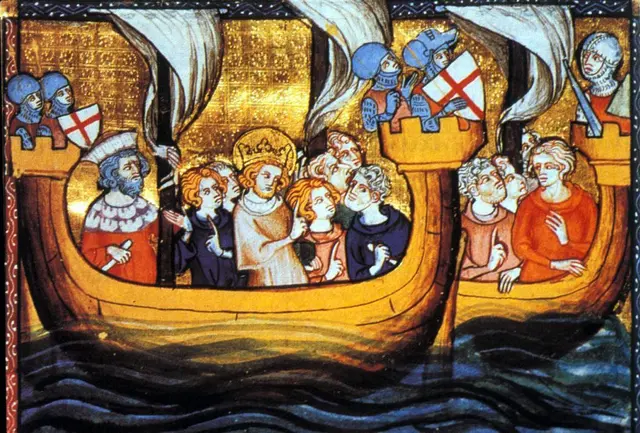
Louis IX set out from Aigues-Mortes in August 1248 and reached the port of Limassol in Cyprus on 17 September 1248. The army wintered in Cyprus; during this time supplies were gathered, ships prepared, Mongol envoys received and Damietta chosen as the crusade's objective.
RESEARCH DOSSIER
Historical analysis of the event
Background
Louis IX spent years preparing his crusade. He had Aigues-Mortes built to give himself a port on the Mediterranean, hired ships from Genoa and Marseille, and stockpiled large quantities of wheat and wine in Cyprus. The army set out from Aigues-Mortes and Marseille in August 1248.
The winter in Cyprus
The army reached Limassol on 17 September 1248. According to Joinville, the stockpiles of supplies gathered in Cyprus looked like hills from a distance. Because the season was advanced, a landing in Egypt was not possible that year and the army wintered on the island.
In December 1248 envoys of the Mongol commander Eljigidei came to Cyprus and proposed cooperation against the Muslims; in return Louis sent gifts and an embassy to the Mongol khan. Over the winter the army suffered losses from disease and some nobles died. In May 1249 the army sailed from Cyprus for Egypt.
Outcome and significance
Cyprus showed once again that it was the Latin East's indispensable logistical base for great expeditions. But the long wait gave the sultan of Egypt time to prepare his defences and increased the army's costs.
The contact with the Mongols was one of the starting points of the hope for a Latin–Mongol alliance that developed in the following years.
Sources and debates
Jean de Joinville's life of Louis IX is the liveliest testimony to the winter in Cyprus. Louis's letters and the Rothelin continuation also provide information. The intentions of the Mongol embassy and the importance Louis attached to it are interpreted differently by historians.
Dates, places and figures in this record compare the principal narrative sources with modern scholarship. Where the sources disagree this is stated in the text; for a thesis or publication, consult the relevant edition and page reference.