5–6 June 1249 · Damietta
Louis IX captures Damietta
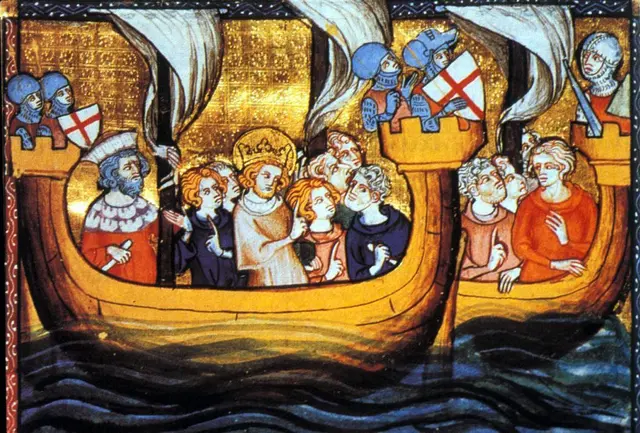
Louis IX's army landed near Damietta on 5 June 1249 and forced the Ayyubid forces on the beach to withdraw. When the commander Fakhr al-Din withdrew, the garrison and population also abandoned the city; the crusaders took Damietta without a fight on 6 June.
RESEARCH DOSSIER
Historical analysis of the event
Background
The Egyptian sultan al-Salih Ayyub had learned the crusaders' objective and tried to protect Damietta with a strong garrison. But the sultan was gravely ill and engaged in a struggle with his Ayyubid relatives in Syria. The coastal defence was commanded by the emir Fakhr al-Din ibn al-Shaykh.
Course of events
The crusader fleet arrived off Damietta in early June. On 5 June the knights jumped into the shallows and landed despite the Ayyubid cavalry waiting on the beach; Louis too went into the water with his shield. After a short clash Fakhr al-Din's forces withdrew.
Fakhr al-Din's withdrawal caused panic among the Kinani garrison and the people of the city. The garrison abandoned the city without burning the bridge over the Nile. On 6 June the crusaders entered a largely deserted Damietta.
Outcome and significance
Taking Damietta so easily was seen as a great success compared with the Fifth Crusade's long siege of 1218–1219. The sultan had the garrison commanders who abandoned the city executed.
But because of the Nile's annual flood, Louis did not advance immediately on Cairo and waited at Damietta until November 1249. The wait was needed for the reinforcements of his brother Alphonse of Poitiers, but it gave the Ayyubids a chance to reorganise their defence.
Sources and debates
Joinville and Louis's own letter describe the landing as witnesses. Ibn Wasil and al-Maqrizi report from the Egyptian side why the garrison withdrew and how the sultan reacted. The reasons for Fakhr al-Din's decision to withdraw are given with different explanations, such as a rumour that the sultan had died.
Dates, places and figures in this record compare the principal narrative sources with modern scholarship. Where the sources disagree this is stated in the text; for a thesis or publication, consult the relevant edition and page reference.