1095–1291 · BIOGRAPHICAL INDEX
People who shaped the Crusades.
Explore the preachers, rulers, commanders and diplomatic actors of the Crusading era through life dates, political contexts and connected cases.
117people listedPapacy and Western Europe
Anselm of Canterbury
1033–1109Archbishop of Canterbury and theologianTheologian and archbishop of Canterbury, a pioneer of scholastic thought; at the Council of Bari in 1098 he defended the Latin Church's filioque doctrine against the Greek clergy.Open biography →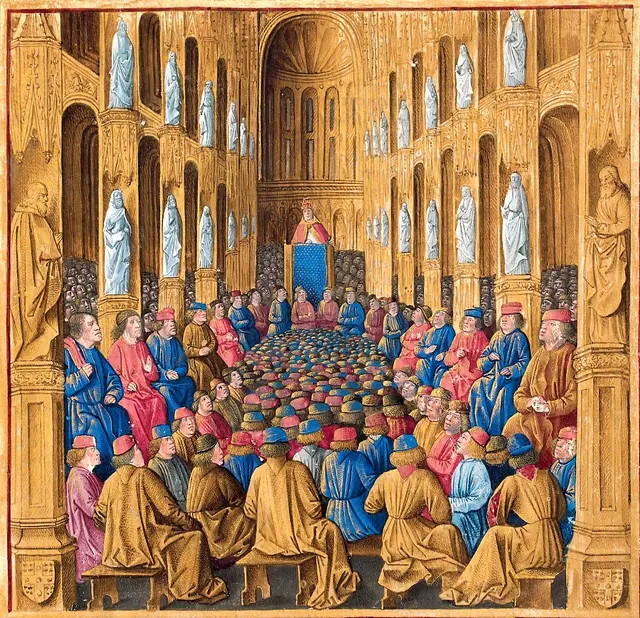
Papacy and Western Europe
Pope Urban II
c. 1035–1099Pope who issued the call for the First CrusadePope whose call at the Council of Clermont in 1095 shaped the religious and legal framework of the crusading movement.Open biography →Anatolian Seljuks and Turkish emirs
Yaghi-Siyan
d. 1098Seljuk governor of AntiochSeljuk governor of Antioch; he defended the city against the crusader siege for about seven months in 1097–1098 and was killed while fleeing when the city fell through betrayal.Open biography →Latin Crusaders and Crusader states
Raymond of Saint-Gilles
c. 1041–1105Count of Toulouse and leader of the First CrusadeOne of the oldest and wealthiest leaders of the First Crusade, who began the founding of the County of Tripoli.Open biography →Other historical actors
Armenian Thoros
d. 1098Armenian ruler of EdessaArmenian ruler of Edessa holding a Byzantine title; in 1098 he adopted Baldwin of Boulogne and made him co-ruler, and was killed in an uprising soon afterwards.Open biography →Fatimids
Iftikhar al-Dawla
late 11th centuryFatimid governor of JerusalemFatimid governor of Jerusalem in 1099; he defended the city against the crusader siege and, when it fell, surrendered the Tower of David to Raymond of Saint-Gilles and withdrew with his guards to Ascalon.Open biography →Anatolian Seljuks and Turkish emirs
Kerbogha
d. 1102Atabeg of MosulAtabeg of Mosul; in 1098 he gathered a great army to recover Antioch, which the crusaders had taken, but was defeated by them on 28 June 1098.Open biography →Papacy and Western Europe
Peter the Hermit
c. 1050–1115Preacher and leader of the People's CrusadeBest-known preacher and leader of the People's Crusade, which set out in 1096 ahead of the barons' armies.Open biography →Anatolian Seljuks and Turkish emirs
Sökmen ibn Artuq
d. 1104Artuqid emirSon of Artuq Bey and Artuqid emir; he ruled Jerusalem with his brother Ilghazi until 1098, and in 1104, with Jikirmish, defeated the crusaders at Harran.Open biography →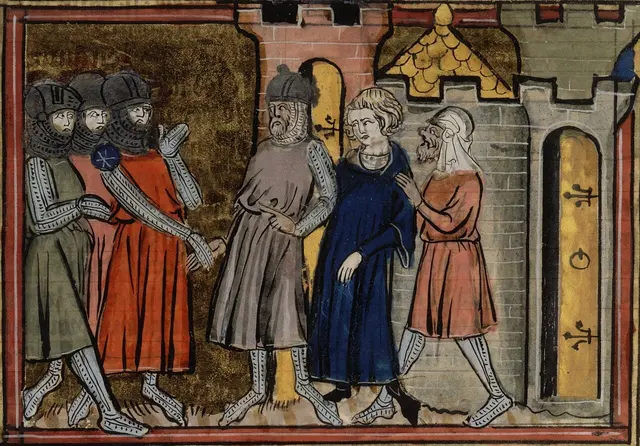
Latin Crusaders and Crusader states
Bohemond I
c. 1054–1111Leader of the First Crusade and Prince of AntiochFirst Crusade leader who took Antioch in 1098 and founded a Norman principality there.Open biography →Anatolian Seljuks and Turkish emirs
Danishmend Gazi
d. 1104Danishmendid rulerDanishmendid ruler who captured Bohemond I and helped defeat the crusader armies of 1101.Open biography →Byzantium
Alexios I Komnenos
1057–1118Byzantine emperor (1081–1118)Founder of the Komnenian dynasty who tried to steer the First Crusade's armies in Byzantium's interest.Open biography →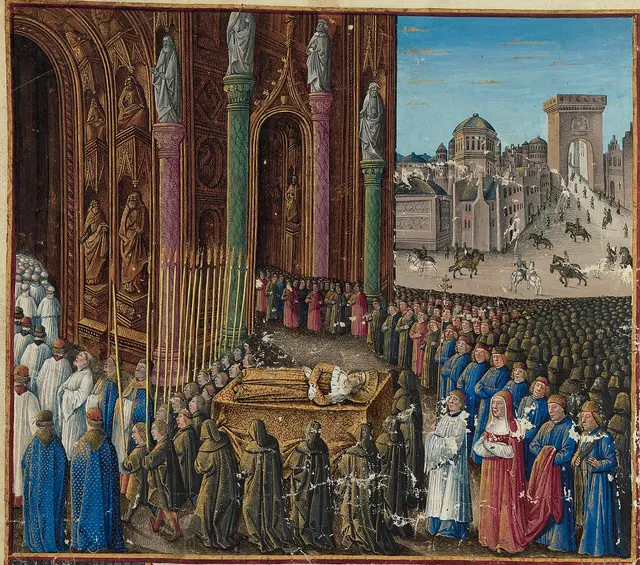
Latin Crusaders and Crusader states
Baldwin I
c. 1058–1118Count of Edessa and King of Jerusalem (1100–1118)Founder of the County of Edessa and first king of Jerusalem, who extended Latin rule as a kingdom.Open biography →Papacy and Western Europe
Count Emicho
d. 1117Rhineland count and leader of the 1096 massacresA count in the Rhineland; in 1096 he led one branch of the People's Crusade, remembered for the massacres of the Jewish communities of Speyer, Worms and Mainz, and his army was scattered in Hungary.Open biography →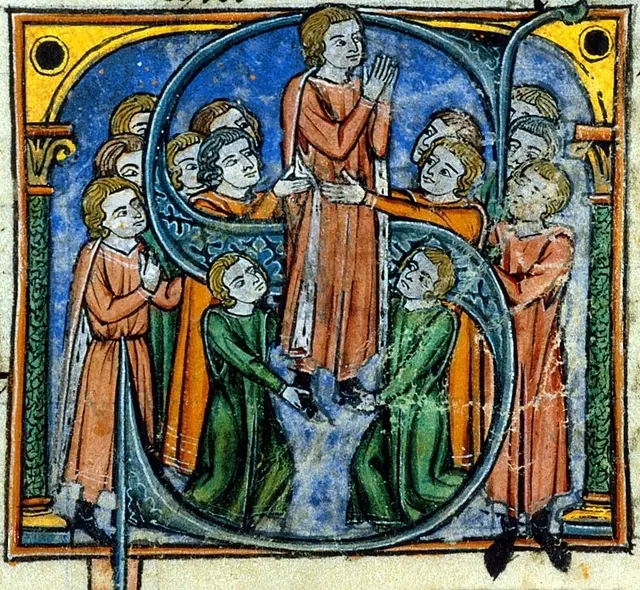
Latin Crusaders and Crusader states
Godfrey of Bouillon
c. 1060–1100Leader of the First Crusade and ruler of JerusalemCrusade leader who became the first Latin ruler of Jerusalem in 1099 with the title Advocate of the Holy Sepulchre.Open biography →Anatolian Seljuks and Turkish emirs
Ilghazi
d. 1122Artuqid emir, lord of Mardin and AleppoArtuqid emir; in 1119, at the Battle of the Field of Blood near Sarmada, he destroyed the army of Antioch, causing the death of the regent Roger of Salerno.Open biography →Anatolian Seljuks and Turkish emirs
Jikirmish
d. 1106Emir of MosulEmir of Mosul; in 1104, with the Artuqid Sökmen, he defeated the Franks at Harran and held the captured Count Baldwin II of Edessa.Open biography →Anatolian Seljuks and Turkish emirs
Mawdud ibn Altuntash
d. 1113Atabeg of Mosul (1108–1113)Atabeg ruling Mosul for the Great Seljuk sultan Muhammad Tapar; between 1110 and 1113 he led campaigns against the County of Edessa and the Kingdom of Jerusalem, and was assassinated in Damascus in 1113.Open biography →Latin Crusaders and Crusader states
Bertrand of Toulouse
d. 1112Count of Tripoli (1109–1112)Son of Raymond of Saint-Gilles; with the capture of Tripoli in 1109 he became the first effective count of the County of Tripoli.Open biography →Papacy and Western Europe
Pope Callixtus II
c. 1065–1124Pope (1119–1124)Pope who ended the investiture controversy with the Concordat of Worms in 1122 and, at the First Lateran Council he convened in 1123, confirmed the privileges of crusaders fighting in the East and in Spain.Open biography →Fatimids
al-Afdal Shahanshah
c. 1066–1121Fatimid vizier and commander-in-chiefDe facto ruler of Fatimid Egypt when the crusaders took Jerusalem, and commander of the army at Ascalon.Open biography →Anatolian Seljuks and Turkish emirs
Bursuq ibn Bursuq
d. 1116Great Seljuk emir and commander of the sultan's armyAn emir of the Great Seljuk sultan Muhammad Tapar; in 1115 he led the sultan's army sent to Syria and was defeated at Tell Danith by the forces of Antioch.Open biography →Latin Crusaders and Crusader states
Hugh of Payns
c. 1070–1136Founder and first master of the Knights TemplarKnight from Champagne who around 1119–1120 led a community founded in Jerusalem to protect pilgrims, and secured approval of the Templars' rule at the Council of Troyes in 1129.Open biography →Latin Crusaders and Crusader states
Patriarch Warmund
d. 1128Latin patriarch of Jerusalem (1118–1128)Latin patriarch of Jerusalem; he presided over the Council of Nablus in 1120, played a leading role in governing the kingdom during Baldwin II's captivity, and secured the capture of Tyre with Venetian help in 1124.Open biography →Latin Crusaders and Crusader states
Baldwin II
c. 1075–1131Count of Edessa and King of Jerusalem (1118–1131)Count of Edessa and later king of Jerusalem, twice taken captive by Muslim emirs.Open biography →Latin Crusaders and Crusader states
Tancred
c. 1075–1112First Crusade leader, prince of Galilee and regent of AntiochBohemond's nephew; on the First Crusade he contended with Baldwin of Boulogne for Tarsus in Cilicia, took part in the capture of Jerusalem, and later governed the Principality of Antioch as regent.Open biography →Latin Crusaders and Crusader states
Joscelin I
d. 1131Count of Edessa (1119–1131)Count of Edessa known for his frontier wars, captured at Harran and by Belek Ghazi.Open biography →Anatolian Seljuks and Turkish emirs
Kilij Arslan I
1079–1107Sultan of the Anatolian Seljuks (1092–1107)Anatolian Seljuk sultan who defeated the People's Crusade at Civetot but lost Nicaea in 1097.Open biography →Anatolian Seljuks and Turkish emirs
Balak Ghazi
d. 1124Artuqid emirArtuqid emir who captured Joscelin I and Baldwin II in turn, shifting the balance of power in the 1120s.Open biography →Papacy and Western Europe
Pope Innocent II
d. 1143Pope (1130–1143)Pope who won the papal schism with Bernard of Clairvaux's support, issued the bull Omne datum optimum granting broad privileges to the Templars in 1139, and convened the Second Lateran Council.Open biography →Latin Crusaders and Crusader states
Roger of Salerno
d. 1119Regent of Antioch (1113–1119)Regent of the Principality of Antioch; in 1115 he defeated Bursuq's Seljuk army at Tell Danith, but in 1119 he was defeated and killed by Ilghazi at the Battle of the Field of Blood.Open biography →Anatolian Seljuks and Turkish emirs
Taj al-Muluk Buri
d. 1132Ruler of Damascus (1128–1132)Son of Toghtekin and ruler of Damascus, after whom the Burid dynasty is named; in 1129 he repelled the Kingdom of Jerusalem's campaign against Damascus.Open biography →Papacy and Western Europe
Suger of Saint-Denis
c. 1081–1151Abbot of Saint-Denis and regent of FranceAbbot of Saint-Denis and adviser to the kings of France; he took part in the assembly at Étampes in 1147 and governed France as regent while Louis VII was on the Second Crusade.Open biography →Papacy and Western Europe
William II of Nevers
d. 1148Count of Nevers and leader in the crusade of 1101Count William II of Nevers; on the crusade of 1101 he led his own army into Anatolia, but it was destroyed by Seljuk and Danishmendid forces between Konya and Ereğli.Open biography →Zengids and Ayyubids
Imad al-Din Zengi
c. 1085–1146Atabeg of Mosul and AleppoZengid ruler who took Edessa in 1144, destroying the centre of the first crusader state.Open biography →Byzantium
John II Komnenos
1087–1143Byzantine emperor (1118–1143)Son of Alexios I and Byzantine emperor; in 1137–1138 he recovered Cilicia, forced the prince of Antioch to swear allegiance and besieged Shaizar together with the Latins.Open biography →Papacy and Western Europe
Bernard of Clairvaux
1090–1153Abbot of Clairvaux and preacher of the Second CrusadeThe most influential figure of the Cistercian order; he supported the recognition of the Templars and, with the preaching he began at Vézelay in 1146, became the chief propagandist of the Second Crusade.Open biography →Latin Crusaders and Crusader states
Fulk of Anjou
c. 1090–1143Count of Anjou and king of Jerusalem (1131–1143)Count Fulk V of Anjou; by marrying Melisende in 1129 he became king of Jerusalem in 1131, and during his reign dealt with the rise of Zengi and the question of sharing power with the queen.Open biography →Anatolian Seljuks and Turkish emirs
Mu'in al-Din Unur
d. 1149Atabeg of DamascusAtabeg and effective ruler of Damascus; he pursued a policy of alliance with the Kingdom of Jerusalem and successfully fended off the Second Crusade's siege of Damascus in 1148.Open biography →Papacy and Western Europe
Pope Eugenius III
d. 1153Pope (1145–1153)Cistercian monk and pupil of Bernard of Clairvaux who became pope; after the fall of Edessa he proclaimed the Second Crusade with the bull Quantum praedecessores in 1145.Open biography →Papacy and Western Europe
Conrad III
1093–1152German king and leader of the Second CrusadeRuler who led the German army of the Second Crusade and suffered heavy losses near Dorylaion.Open biography →Anatolian Seljuks and Turkish emirs
Mas'ud I
d. 1156Anatolian Seljuk sultan (1116–1156)Anatolian Seljuk sultan; during the Second Crusade he headed the Turkish forces that inflicted heavy losses on Conrad III's army near Dorylaion and on the French army crossing Mount Cadmus.Open biography →
Latin Crusaders and Crusader states
Raymond of Poitiers
c. 1099–1149Prince of Antioch (1136–1149)Prince of Antioch defeated and killed by Nur al-Din at the Battle of Inab in 1149.Open biography →Other historical actors
Ali ibn Wafa
d. 1149Leader of the Syrian Nizaris (Assassins)Leader of the Nizari Isma'ili communities of northern Syria; in 1149 he fought alongside Prince Raymond of Antioch against Nur al-Din and died at Inab.Open biography →Papacy and Western Europe
Pope Alexander III
c. 1100–1181Pope (1159–1181)Pope who waged a long struggle with Frederick Barbarossa, convened the Third Lateran Council in 1179, and renewed crusade appeals to aid the Latin East.Open biography →Latin Crusaders and Crusader states
Melisende
1105–1161Queen of Jerusalem (1131–1153)Daughter of Baldwin II and queen of Jerusalem; she governed the kingdom first with her husband Fulk and then with her son Baldwin III, and was one of the most powerful political figures of her age.Open biography →Papacy and Western Europe
Pope Gregory VIII
c. 1105–1187Pope (1187)Pope for only two months; on news of Hattin and the fall of Jerusalem he issued the bull Audita tremendi in October 1187, proclaiming the Third Crusade.Open biography →Papacy and Western Europe
Enrico Dandolo
c. 1107–1205Doge of Venice (1192–1205)Doge who organised the Fourth Crusade's sea transport and played a leading role in its diversion to Zara and Constantinople.Open biography →Latin Crusaders and Crusader states
Joscelin II
d. 1159Last effective Count of EdessaLast effective count of Edessa, who lost the city to Zengi in 1144 and died a captive in Aleppo after 1150.Open biography →Zengids and Ayyubids
Shirkuh
d. 1169Zengid commander and Fatimid vizierCommander who led three campaigns to Egypt for Nur al-Din and prepared Saladin's rise.Open biography →Byzantium
Manuel I Komnenos
1118–1180Byzantine emperor (1143–1180)Byzantine emperor; he managed the Second Crusade's passage through Byzantine territory, established supremacy over Antioch in 1158–1159, and allied with the Kingdom of Jerusalem against Egypt.Open biography →
Zengids and Ayyubids
Nur al-Din Zengi
1118–1174Ruler of Aleppo and DamascusZengid ruler who united Aleppo and Damascus and kept up constant pressure on the crusader states.Open biography →Papacy and Western Europe
Louis VII
1120–1180King of France and leader of the Second CrusadeKing who led the French army of the Second Crusade and took part in the siege of Damascus in 1148.Open biography →
Papacy and Western Europe
Frederick Barbarossa
c. 1122–1190Holy Roman emperor and leader of the Third CrusadeEmperor who led one of the Third Crusade's largest land armies across Anatolia and drowned in the Saleph river.Open biography →Anatolian Seljuks and Turkish emirs
Mujir al-Din Abaq
12th centuryLast Burid ruler of Damascus (1140–1154)Last ruler of the Burid dynasty of Damascus; he tried to preserve his independence through alliance with the Kingdom of Jerusalem, but Nur al-Din entered the city in 1154.Open biography →
Latin Crusaders and Crusader states
Raynald of Châtillon
c. 1125–1187Prince of Antioch and lord of KerakFrankish lord known for his long captivity, Red Sea expedition and caravan raids, killed by Saladin after Hattin.Open biography →Latin Crusaders and Crusader states
Baldwin III
1130–1163King of Jerusalem (1143–1163)Son of Fulk and Melisende and king of Jerusalem; he took part in the Second Crusade's siege of Damascus, won the power struggle with his mother, and in 1153 took Ascalon, securing the kingdom's southern frontier.Open biography →Byzantium
Constantine Kalamanos
12th centuryByzantine governor of CiliciaByzantine noble of Hungarian origin and governor of Cilicia; in 1164 he was in the Latin–Byzantine army that fought Nur al-Din at Harim, and was captured.Open biography →Latin Crusaders and Crusader states
Amalric I
1136–1174King of Jerusalem (1163–1174)King who turned the Kingdom of Jerusalem toward attempts to dominate Egypt.Open biography →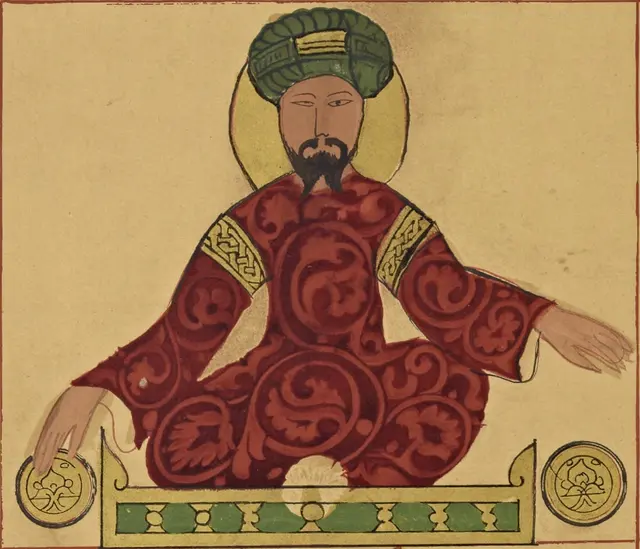
Zengids and Ayyubids
Saladin
1137/38–1193Ayyubid sultanRuler who united Egypt and Syria and changed the course of the crusading era with Hattin and the surrender of Jerusalem in 1187.Open biography →Zengids and Ayyubids
Husam al-Din Lu'lu'
late 12th centuryAyyubid naval commanderSaladin's naval commander; in 1183 he pursued and destroyed the fleet Reynald of Châtillon had sent into the Red Sea, and brought supplies into Acre during its siege.Open biography →Latin Crusaders and Crusader states
Raymond III
c. 1140–1187Count of Tripoli and regent of JerusalemCount at the centre of the dynastic struggles of the Kingdom of Jerusalem and decisive in the strategy debate before Hattin.Open biography →Anatolian Seljuks and Turkish emirs
Kilij Arslan II
c. 1142–1192Anatolian Seljuk sultan (1156–1192)Anatolian Seljuk sultan; he defeated Byzantium at Myriokephalon in 1176 and saw Konya taken as Frederick Barbarossa's army passed through his lands in 1190.Open biography →Latin Crusaders and Crusader states
Balian of Ibelin
c. 1143–1193Lord of Ibelin and negotiator of Jerusalem's defenceFrankish baron who organised the defence of Jerusalem in 1187 and negotiated its terms of surrender with Saladin.Open biography →Latin Crusaders and Crusader states
Bohemond III
1144–1201Prince of Antioch (1163–1201)Prince of Antioch captured at Harim in 1164 who balanced Byzantine, Armenian and crusader politics in a long reign.Open biography →Latin Crusaders and Crusader states
Aimery of Lusignan
c. 1145–1205King of Cyprus and king of Jerusalem (1197–1205)First king of Cyprus from the Lusignan family; in 1197 he married Isabella, became king of Jerusalem and ruled both kingdoms together.Open biography →Latin Crusaders and Crusader states
Conrad of Montferrat
c. 1145–1192Defender of Tyre and king-elect of JerusalemLeader who held Tyre against Saladin in 1187 and rivalled Guy for the crown of Jerusalem.Open biography →Papacy and Western Europe
Boniface of Montferrat
c. 1150–1207Nominal leader of the Fourth CrusadeAristocratic leader of the Fourth Crusade and founder of the Kingdom of Thessalonica after 1204.Open biography →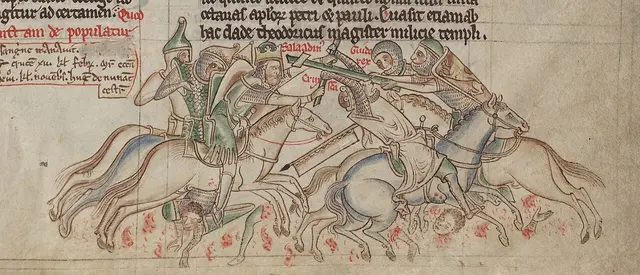
Latin Crusaders and Crusader states
Guy of Lusignan
c. 1150–1194King of Jerusalem and CyprusKing of Jerusalem captured at Hattin in 1187, later founder of the Lusignan dynasty in Cyprus.Open biography →Latin Crusaders and Crusader states
Heinrich Walpot
d. 1200First master of the Teutonic Knights (1198–1200)After the German hospital brotherhood at Acre became a military order in 1198, he was the first master of the Teutonic Knights.Open biography →Papacy and Western Europe
Pope Honorius III
c. 1150–1227Pope (1216–1227)Successor of Innocent III; he organised the Fifth Crusade and secured Frederick II's commitment to crusade through the Ferentino meeting of 1223 and the San Germano agreement of 1225.Open biography →Fatimids
al-Adid
1151–1171Last Fatimid caliph (1160–1171)The last Fatimid caliph; throughout his reign power lay with the viziers. In 1169 he appointed Saladin vizier, and shortly before his death the Friday sermon in Cairo began to be read in the Abbasid caliph's name.Open biography →Byzantium
Isaac Komnenos of Cyprus
c. 1155–1195Self-proclaimed emperor of Cyprus (1184–1191)A Byzantine noble of the Komnenos family; he seized Cyprus in 1184 and proclaimed himself emperor, and was defeated and captured by Richard the Lionheart in 1191.Open biography →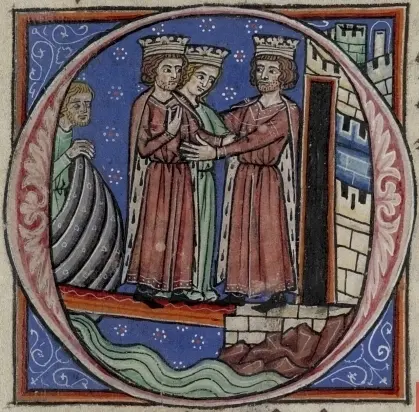
Papacy and Western Europe
Richard the Lionheart
1157–1199King of England and leader of the Third CrusadeThe principal Latin commander of the Third Crusade in the campaigns of Acre, Arsuf and Jaffa.Open biography →Papacy and Western Europe
Pope Innocent III
1160/61–1216Pope who called the Fourth CrusadePowerful medieval pope who sought to make crusading a permanent and regular institution of the papacy.Open biography →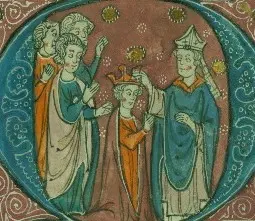
Latin Crusaders and Crusader states
Baldwin IV
1161–1185King of Jerusalem (1174–1185)King of Jerusalem who ruled against Saladin despite leprosy and tried to defer the succession crisis.Open biography →Papacy and Western Europe
Henry I of Brabant
1165–1235Duke of Brabant and commander of the German crusade of 1197Duke Henry I of Brabant; during the German Crusade of 1197 he commanded the crusader forces at Acre and led the capture of Beirut.Open biography →Papacy and Western Europe
Henry VI
1165–1197Holy Roman emperor (1191–1197)Son of Frederick Barbarossa and Holy Roman emperor; he seized the Kingdom of Sicily and organised the German Crusade of 1197, but died at Messina while the crusade's main force was in the East.Open biography →Latin Crusaders and Crusader states
Hermann von Salza
c. 1165–1239Grand master of the Teutonic Knights (1210–1239)Grand master of the Teutonic Knights; he mediated between Frederick II and the papacy, accompanied the emperor on the Sixth Crusade, and turned the order into a major power in Europe.Open biography →Papacy and Western Europe
Pelagius of Albano
c. 1165–1230Cardinal and papal legate on the Fifth CrusadeCardinal bishop of Albano and papal legate on the Fifth Crusade; he rejected al-Kamil's offer to return Jerusalem and was decisive in the march on Cairo in 1221 that ended in the army's defeat and surrender.Open biography →Papacy and Western Europe
Philip Augustus
1165–1223King of France and leader of the Third CrusadeKing of France who took part in the capture of Acre in 1191, then returned home to pursue his rivalry with Richard.Open biography →Latin Crusaders and Crusader states
John of Brienne
c. 1170–1237King of Jerusalem and Latin emperor of ConstantinopleExperienced Latin ruler who led the armies of the Kingdom of Jerusalem during the Fifth Crusade.Open biography →Other historical actors
Kaloyan
c. 1170–1207Bulgarian tsar (1197–1207)Ruler of the Second Bulgarian Empire; in April 1205 he defeated the army of the Latin Empire at Adrianople and captured Emperor Baldwin.Open biography →Papacy and Western Europe
Pope Gregory IX
c. 1170–1241Pope (1227–1241)Pope who excommunicated Frederick II in 1227 for delaying his crusade, refused to recognise the emperor's acquisition of Jerusalem by treaty, and in 1234 issued the call that led to the Barons' Crusade.Open biography →Latin Crusaders and Crusader states
Baldwin of Flanders
1172–1205Count of Flanders and first Latin emperor (1204–1205)Count of Flanders and Hainaut and a leader of the Fourth Crusade; elected first Latin emperor of Constantinople in 1204, he was captured by the Bulgarians at Adrianople in 1205 and died in captivity.Open biography →Papacy and Western Europe
Leopold VI of Austria
1176–1230Duke of Austria and leader in the Fifth CrusadeDuke of Austria; he came to Acre with the first wave of the Fifth Crusade in 1217 and played an important part in the siege of Damietta in 1218–1219.Open biography →Zengids and Ayyubids
al-Kamil
c. 1177–1238Ayyubid sultanAyyubid sultan who defended Egypt against the Fifth Crusade and concluded the 1229 Treaty of Jaffa with Frederick II.Open biography →Papacy and Western Europe
Andrew II of Hungary
c. 1177–1235King of Hungary and leader in the Fifth CrusadeKing of Hungary; in 1217 he came to Acre with the first wave of the Fifth Crusade and, after short campaigns in Galilee, returned home in early 1218.Open biography →Latin Crusaders and Crusader states
John of Ibelin
c. 1179–1236Lord of Beirut and regent of CyprusThe “Old Lord” of Beirut; he led the resistance of the nobles of Jerusalem and Cyprus to Frederick II's attempt to rule the Latin East directly, and was the central figure of the War of the Lombards.Open biography →Byzantium
Alexios IV Angelos
c. 1182–1204Byzantine co-emperor (1203–1204)Son of the deposed Isaac II Angelos; by making great promises to the leaders of the Fourth Crusade he diverted the army to Constantinople, became co-emperor in 1203 and was killed in early 1204.Open biography →Papacy and Western Europe
Frederick II
1194–1250Holy Roman emperor and leader of the Sixth CrusadeEmperor who, through diplomacy rather than war, secured Jerusalem's temporary return to Latin rule in 1229.Open biography →Papacy and Western Europe
Pope Innocent IV
c. 1195–1254Pope (1243–1254)Pope who at the First Council of Lyon in 1245 declared Frederick II deposed, supported Louis IX's Seventh Crusade and sent envoys to the Mongols.Open biography →Other historical actors
Kitbuqa
d. 1260Mongol Ilkhanid commanderHülegü's Nestorian Christian commander of Naiman origin; after Hülegü withdrew in 1260 he led the Mongol army in Syria, and was defeated and killed by the Mamluks at Ayn Jalut.Open biography →Papacy and Western Europe
Nicholas of Cologne
early 13th centuryGerman leader of the 1212 “Children's Crusade”Leader of a community of young and poor pilgrims that set out from around Cologne in 1212; the group crossed the Alps and reached Italy, but broke up when the expected parting of the sea did not happen.Open biography →Papacy and Western Europe
Stephen of Cloyes
early 13th centuryFrench leader of the 1212 “Children's Crusade”Shepherd who gathered a large community of young pilgrims in France in 1212; he is said to have gone to Saint-Denis to present a letter to King Philip Augustus, but the movement soon dispersed.Open biography →Papacy and Western Europe
Theobald IV of Champagne
1201–1253Count of Champagne, king of Navarre and leader of the Barons' CrusadeCount of Champagne and king of Navarre; he led the Barons' Crusade of 1239–1240 and, despite the defeat at Gaza, made treaties securing territorial gains by exploiting rivalries among the Ayyubid emirs.Open biography →Zengids and Ayyubids
al-Salih Ayyub
c. 1205–1249Ayyubid sultan of EgyptAyyubid sultan who strengthened the Mamluk military core and whose death was concealed during the Seventh Crusade.Open biography →Latin Crusaders and Crusader states
Walter of Brienne
c. 1205–before 1250Count of JaffaWalter IV of Brienne, count of Jaffa; he was captured at the Battle of La Forbie near Gaza in 1244 and killed in captivity in Egypt.Open biography →Papacy and Western Europe
Richard of Cornwall
1209–1272Earl of Cornwall and English leader in the Barons' CrusadeBrother of King Henry III of England; he led the second phase of the Barons' Crusade in 1240–1241, completed the treaty with al-Salih Ayyub and had Ascalon fortified.Open biography →Mamluks
Izz al-Din Aybak
d. 1257First Mamluk sultan (1250–1257)A mamluk of al-Salih Ayyub; by marrying Shajar al-Durr in 1250 he became the first Mamluk sultan of Egypt, and was murdered in the palace in 1257.Open biography →Papacy and Western Europe
Pope Gregory X
c. 1210–1276Pope (1271–1276)Elected pope while at Acre with Lord Edward; at the Second Council of Lyon in 1274 he decreed a new general crusade for the Holy Land and a six-year crusade tax.Open biography →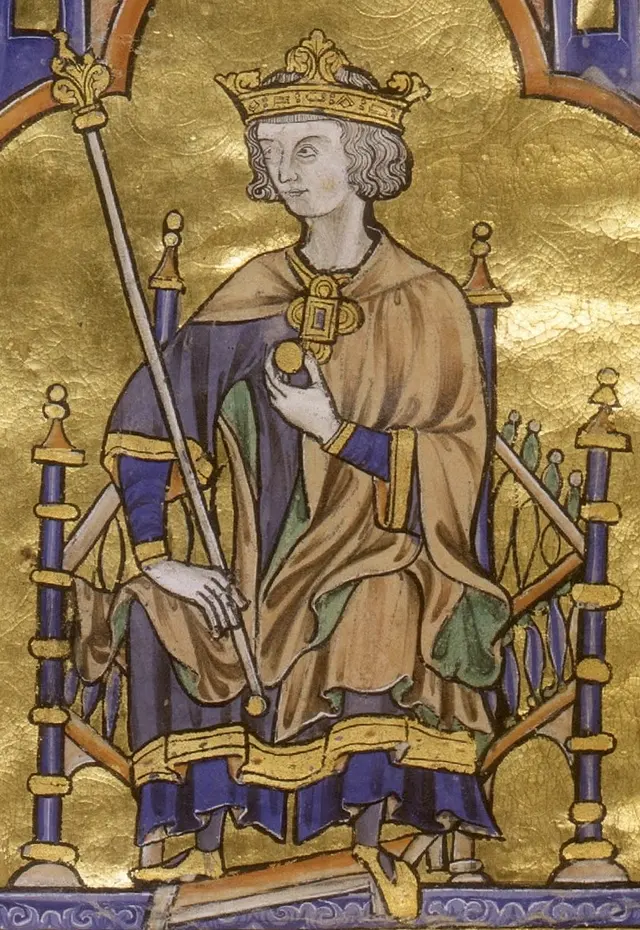
Papacy and Western Europe
Louis IX
1214–1270King of France and leader of the Seventh and Eighth CrusadesKing of France, leader of the Seventh Crusade who was captured in Egypt and died on the Tunis crusade of 1270.Open biography →Mamluks
Qutuz
d. 1260Mamluk sultan (1259–1260)Mamluk sultan; in 1260 he rejected the Mongols' demand for submission, led his army into Syria, defeated the Mongols at Ayn Jalut, and was killed on the way home by Baybars and other emirs.Open biography →Mamluks
Shajar al-Durr
d. 1257Ruler of Egypt and a central figure in the Mamluk transitionRuler who kept Egypt's government running during the Seventh Crusade and was decisive in the transition from Ayyubids to Mamluks.Open biography →Mamluks
Qalawun
c. 1222–1290Mamluk sultan (1279–1290)Mamluk sultan who continued Baybars's policy of elimination and took Marqab and Tripoli.Open biography →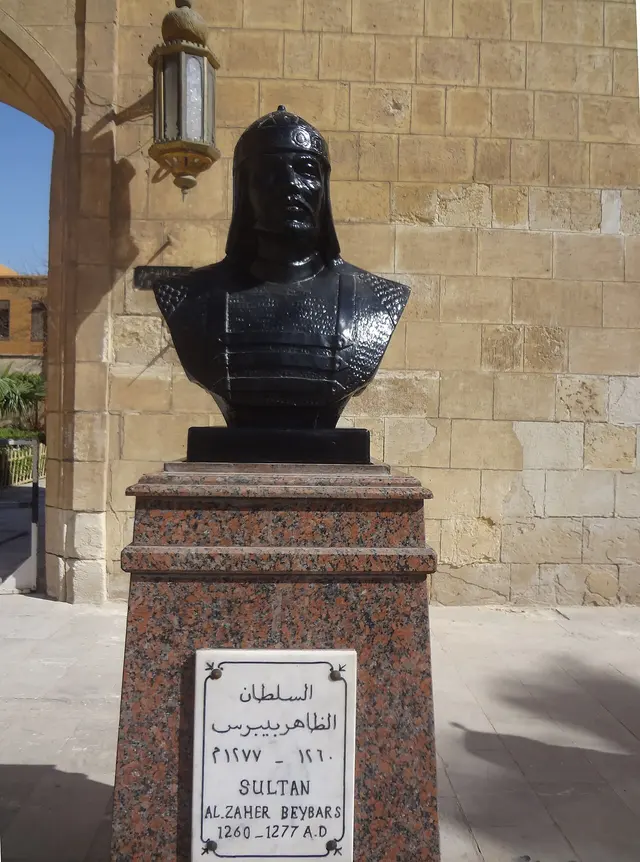
Mamluks
Baybars
c. 1223–1277Mamluk sultan (1260–1277)Mamluk sultan who checked Mongol pressure and systematically dismantled the crusader coastal states.Open biography →Byzantium
Michael VIII Palaiologos
1224–1282Byzantine emperor (1259–1282)Emperor of Nicaea and founder of the Palaiologan dynasty; he recovered Constantinople from the Latins in 1261 and accepted church union at Lyon in 1274 against the threat of Charles of Anjou.Open biography →Zengids and Ayyubids
Turanshah
d. 1250Last Ayyubid sultan of Egypt (1249–1250)Son of al-Salih Ayyub; after his father's death he came to Egypt as sultan, secured the surrender of Louis IX's army at Fariskur in 1250, and was killed by the Bahri Mamluks a few weeks later.Open biography →Papacy and Western Europe
Charles of Anjou
1226–1285King of Sicily and participant in the Eighth CrusadeBrother of Louis IX; Angevin ruler influential in the Tunis crusade and in the late politics of the crown of Jerusalem.Open biography →Other historical actors
Muhammad I al-Mustansir
c. 1228–1277Hafsid ruler and caliph (1249–1277)Hafsid ruler of Tunis; when Louis IX's crusade turned to Tunis in 1270 he defended the city, and after the king's death ended the expedition with a treaty with Charles of Anjou.Open biography →Latin Crusaders and Crusader states
William of Beaujeu
c. 1230–1291Grand master of the Knights Templar (1273–1291)Grand master of the Templars; he advocated diplomacy with the Mamluks, was one of the leading commanders of the defence in the siege of Acre in 1291, and died of his wounds.Open biography →Latin Crusaders and Crusader states
Bohemond VI
1237–1275Prince of Antioch and count of Tripoli (1252–1275)Prince of Antioch and count of Tripoli; he allied with the Mongols in 1260, became for this reason a target of Baybars, and witnessed the loss of Antioch in 1268.Open biography →Papacy and Western Europe
Lord Edward
1239–1307English heir and leader of the 1271–1272 expeditionPrince who led one of the last Western expeditions based at Acre and later became king of England.Open biography →Latin Crusaders and Crusader states
Lucia of Tripoli
d. after 1299Countess of Tripoli (1288–1289)Daughter of Bohemond VI and last countess of Tripoli; after the death of her brother Bohemond VII she came to power by coming to terms with the city's commune, but Tripoli was taken by Qalawun in 1289.Open biography →Other historical actors
Möngke Temür
c. 1256–1282Ilkhanid prince and commander of the Homs campaignSon of Hülegü and an Ilkhanid prince; in 1281 he commanded the Mongol army that invaded Syria and was defeated by Qalawun at Homs.Open biography →Mamluks
al-Ashraf Khalil
c. 1262–1293Mamluk sultan (1290–1293)Mamluk sultan who in 1291 took Acre and the last major Frankish centres on the Levantine mainland.Open biography →Latin Crusaders and Crusader states