September–October 1097 · Tarsus, Mopsuestia and Cilicia
Detachments leave the main army in Cilicia
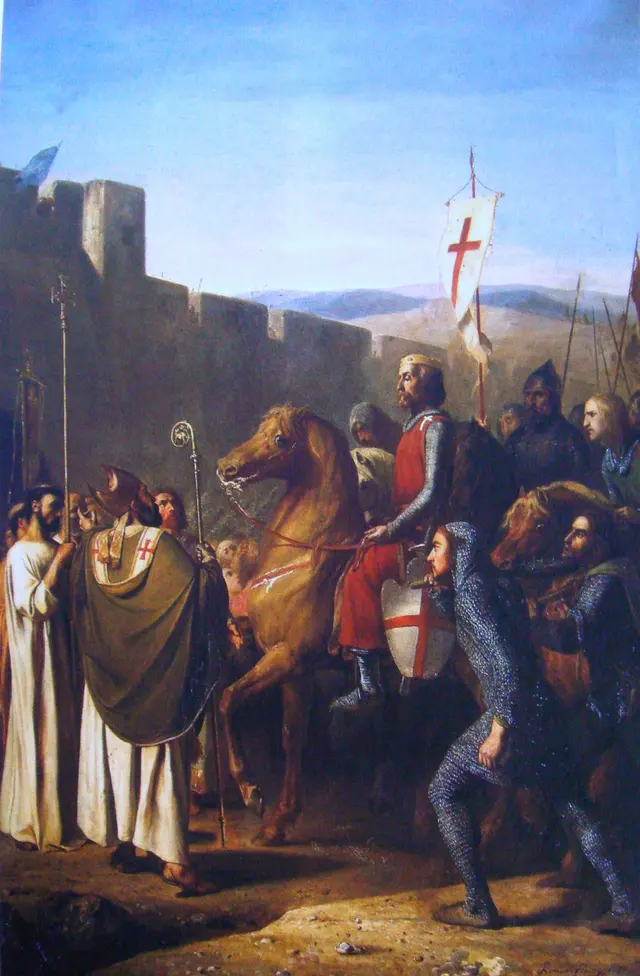
In September 1097, after Ereğli, Tancred and Baldwin of Boulogne left the main army and entered Cilicia. Their campaign for Tarsus, Adana and Mopsuestia produced alliances with local Armenian powers but also open rivalry between the two Latin leaders.
RESEARCH DOSSIER
Historical analysis of the event
Background
While the main army skirted the Taurus after Ereğli and headed for Antioch via Kayseri and Marash, the Cilician plain was a frontier zone divided between Byzantium, Armenian lords and Turkish garrisons. Contact with the Christian Armenian population there meant both supplies and political opportunity for the crusaders.
Course of events
Tancred passed through the Cilician Gates with a small force, reached Tarsus and persuaded its Turkish garrison to withdraw. Baldwin, arriving with a larger force, demanded the city; Tancred withdrew and turned to Adana and Mopsuestia. The killing by Turks, at night outside the walls, of some three hundred Norman soldiers whom Baldwin had refused to admit to Tarsus heightened the tension between the two armies.
At Mopsuestia armed clashes broke out between the men of Baldwin and Tancred. The two later reconciled; Baldwin returned to the main army but soon left again, guided by his Armenian adviser Bagrat, toward the Euphrates region, Turbessel and Ravendel.
Outcome and significance
The Cilician campaign was useful for the siege of Antioch in terms of a coastal link and sea supply; its real significance, though, is to show how early the pursuit of personal lordships began within the expedition. Baldwin's path led to the County of Edessa in 1098, and Tancred's claim to Cilicia to the later conflicts of the Principality of Antioch with Byzantium and the Armenians.
Sources and debates
The events are described most fully by Albert of Aachen and in Ralph of Caen's Gesta Tancredi, a life of Tancred; each author favours his own hero. The chronicle of Matthew of Edessa reflects the Armenian view. The sources do not fully agree on which city fell to whom and when.
Dates, places and figures in this record compare the principal narrative sources with modern scholarship. Where the sources disagree this is stated in the text; for a thesis or publication, consult the relevant edition and page reference.