1 July 1097 · Eskişehir region
Battle of Dorylaeum
After Nicaea the crusader army advanced in two columns. On 1 July 1097 the vanguard was attacked near Dorylaion (Eskişehir) by Kilij Arslan I and his allies. The second column's arrival in the afternoon forced the Turkish forces to withdraw and opened the road through Anatolia.
RESEARCH DOSSIER
Historical analysis of the event
Background
After the fall of Nicaea, Kilij Arslan made peace with the Danishmend Gümüştegin and acted jointly with him against the crusaders. To ease the search for food and water, the crusader army marched southeast in two columns: Bohemond, Tancred, Robert of Normandy and Stephen of Blois in the vanguard, and Godfrey, Raymond, Hugh and Bishop Adhémar in the larger column behind.
Course of events
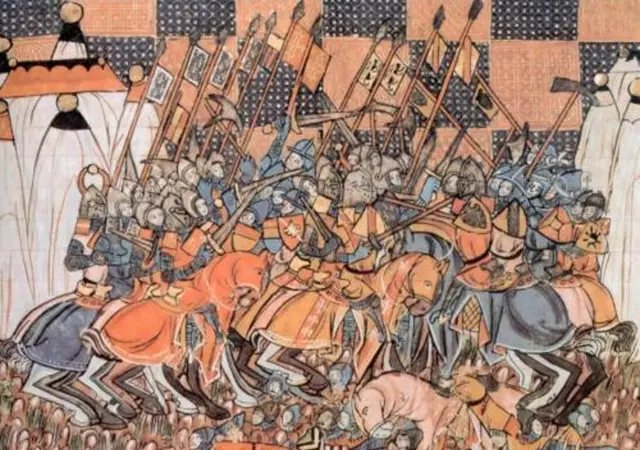
On the morning of 1 July the vanguard was attacked on the plain of Dorylaion by light mounted archers. Bohemond gathered the infantry and non-combatants around the camp and ordered the knights to hold a defensive line; the Turkish archers wore down the line for hours. Part of the camp was plundered and heavy losses were suffered.
Toward midday the cavalry of Godfrey and Hugh reached the field. Soon after, Adhémar's forces circled behind the hills and appeared at the rear of the Turkish camp. Facing encirclement, the Turkish forces withdrew and left their camp to the crusaders.
Outcome and significance
Dorylaion was the crusaders' only major pitched battle in Anatolia. Thereafter Kilij Arslan avoided open battle and used scorched-earth tactics; the crusaders advanced through Akşehir, Konya and Ereğli in the summer heat with heavy losses. The battle showed that Western heavy cavalry, combined with disciplined defence, could withstand light horse archers, but also how dangerous poor reconnaissance could be.
Sources and debates
The author of the Gesta Francorum fought in the battle; his account is notable for its respect for Turkish fighting skill. Fulcher and Raymond of Aguilers also describe it. The exact site, the size of the Turkish forces and the extent of Danishmendid participation are debated; the figures in the sources are unreliable.
Dates, places and figures in this record compare the principal narrative sources with modern scholarship. Where the sources disagree this is stated in the text; for a thesis or publication, consult the relevant edition and page reference.