14 May – 19 June 1097 · Nicaea
Siege of Nicaea
From 14 May 1097 the crusader army and Byzantine forces besieged Nicaea, capital of the Anatolian Seljuks. Kilij Arslan I's relief attempt was repulsed, and on 19 June the city surrendered to Byzantium through a secret agreement before the crusaders could storm it.
RESEARCH DOSSIER
Historical analysis of the event
Background
Nicaea had been the Anatolian Seljuks' centre since 1081 and lay very close to the Byzantine capital. Having easily defeated the People's Crusade, Kilij Arslan I did not take the newly arrived armies seriously, and in spring 1097 he was in the east contesting Melitene with the Danishmendids. His family and treasury had remained in the city.
Course of events
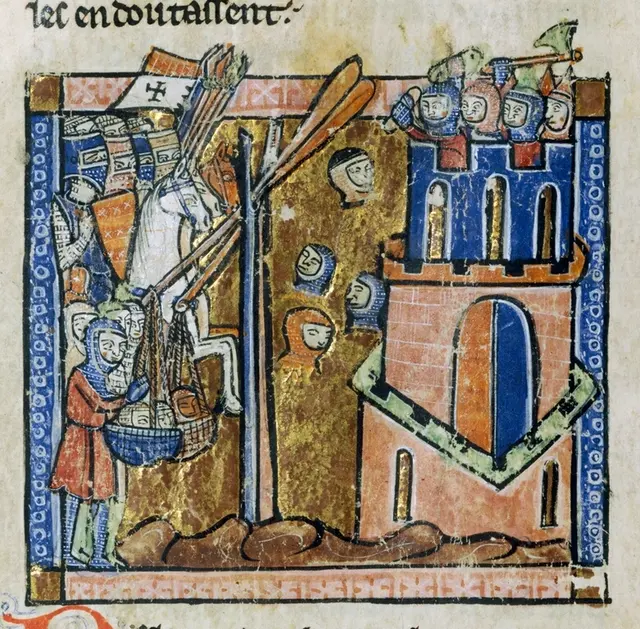
Godfrey's and Bohemond's armies arrived before the city around 6 May; the siege began in earnest on 14 May. While Raymond's army took position before the southern walls, Kilij Arslan's returning relief force was forced back on 16 May after hard fighting. The crusaders catapulted the heads of slain Turks into the city to break the defenders' morale.
Since the city was open to Lake Askania on the west, it could be supplied by water. Ships sent by Alexios were hauled overland on sledges to the lake, completing the blockade. The Byzantine commander Manuel Boutoumites negotiated secretly with the defenders; on the morning of 19 June, as the crusaders prepared a general assault, Byzantine banners appeared on the walls.
Outcome and significance
The city was not sacked; Kilij Arslan's family was sent to Constantinople and later released without ransom. The crusade leaders received gifts from the emperor, but ordinary soldiers were disappointed at being denied plunder. Byzantium re-established control of northwestern Anatolia, while the Seljuks, having lost their capital, gradually moved their centre to Konya.
Sources and debates
The Gesta Francorum, Raymond of Aguilers and Fulcher of Chartres describe the siege from the crusading soldiers' point of view, while Anna Komnene presents it as a triumph of Byzantine diplomacy. Latin sources stress the mistrust the surrender caused among the crusaders; Anna emphasises that the leaders were rewarded. The contrast shows how differently the two sides understood the expedition.
Dates, places and figures in this record compare the principal narrative sources with modern scholarship. Where the sources disagree this is stated in the text; for a thesis or publication, consult the relevant edition and page reference.