May 1101 – May 1104 · Caesarea – Acre
Capture of Caesarea and Acre
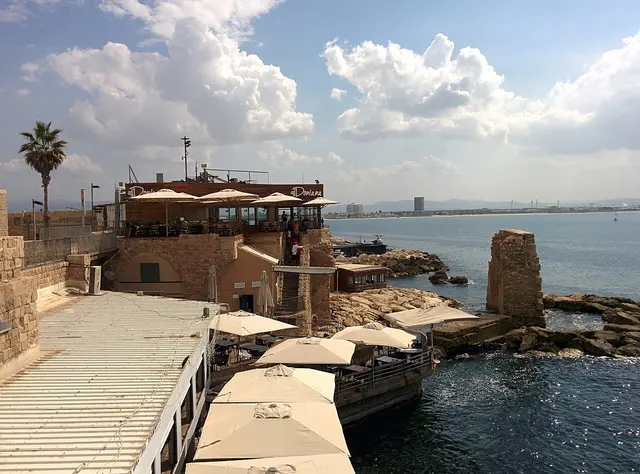
With the support of the Genoese fleet, Baldwin I took Arsuf and Caesarea in 1101 and Acre in 1104. These conquests gave the Kingdom of Jerusalem secure harbours on the Mediterranean and began the commercial privileges of the Italian maritime cities in the kingdom.
RESEARCH DOSSIER
Historical analysis of the event
Background
In 1100 the Kingdom of Jerusalem's only significant harbour was Jaffa. The other coastal cities were held by Fatimid garrisons or remained semi-independent by paying tribute. Secure harbours were vital for pilgrims, soldiers and supplies from the West, yet the kingdom had no fleet of its own.
Course of events
In spring 1101 the Genoese fleet that had wintered at Latakia joined Baldwin. Arsuf surrendered in April 1101 after a short siege, and its people were allowed to go to Ascalon. Caesarea was taken by storm in May, and the entry into the city was followed by widespread killing and plunder. The Genoese received a third of the booty and a quarter in the city; according to Genoese tradition, the green glass bowl known as the Sacro Catino was taken to Genoa from this sack.
An attempt on Acre in 1103 failed. In May 1104, with the arrival of a Genoese fleet of some seventy ships, the city was besieged by land and sea and surrendered after about twenty days, on 26 May 1104. Despite the terms, some of the inhabitants who wished to leave were killed and robbed by the Genoese.
Outcome and significance
Thanks to its well-protected harbour, Acre soon became the kingdom's main port for trade and pilgrimage; until 1187, and again from 1191 to 1291, it was one of the most important cities of the Latin East. In return for their contribution, the Genoese received quarters, customs exemptions and a share of revenues in the cities. This arrangement became the model for the system of Italian privileges later granted to Venice and Pisa as well.
Sources and debates
Fulcher of Chartres and Albert of Aachen describe the sieges; the Genoese chronicler Caffaro gives a detailed account of his city's role and its share of the booty. William of Tyre, writing later, relies on these sources for details. Ibn al-Qalanisi gives the Muslim side's record of the fate of the people of Caesarea and Acre.
Dates, places and figures in this record compare the principal narrative sources with modern scholarship. Where the sources disagree this is stated in the text; for a thesis or publication, consult the relevant edition and page reference.