14–18 May 1268 · Antioch
Baybars captures Antioch
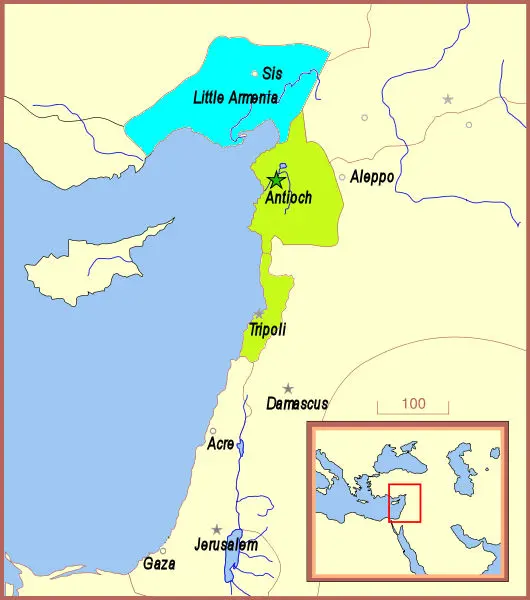
Baybars besieged Antioch in May 1268 and took the city on 18 May after a four-day siege. Most of the population was killed or carried off into slavery; the Principality of Antioch, in existence since 1098, effectively came to an end.
RESEARCH DOSSIER
Historical analysis of the event
Background
Prince Bohemond VI of Antioch was also count of Tripoli and lived mostly in Tripoli. In 1260 Bohemond had allied with the Mongols and entered Aleppo and Damascus with the Mongol army; for this reason Baybars bore him particular enmity. Despite its famous walls, the city's population had declined and its defenders were weak.
Course of events
After Shaqif Arnun, Baybars split his army, sending one column toward Latakia and the coast while he marched on Antioch. The city was besieged on 14 May. Brief negotiations failed.
On 18 May Mamluk soldiers entered the city over the walls on the mountainside. A great massacre followed; the sources report that those killed and enslaved numbered in the tens of thousands. Those who had taken refuge in the citadel surrendered the next day. The city's churches were burned and enormous booty was taken.
Outcome and significance
The fall of Antioch was one of the greatest catastrophes of the crusading era and eliminated one of the oldest states of the Latin East. Only Latakia remained of the principality; it was taken in 1287.
Baybars announced the conquest to Bohemond in Tripoli in a famous letter describing the destruction of the city and the fate of its people in mocking language, “congratulating” Bohemond on being the first to learn of Antioch's loss. The city never regained its former importance.
Sources and debates
Ibn Abd al-Zahir preserves the text of Baybars's letter to Bohemond. On the Latin side, the Gestes des Chiprois and the Templar of Tyre give brief information. The numbers of the killed and captured are very high in the sources and probably exaggerated.
Dates, places and figures in this record compare the principal narrative sources with modern scholarship. Where the sources disagree this is stated in the text; for a thesis or publication, consult the relevant edition and page reference.