3–14 August 1291 · Tortosa – Atlit
Evacuation of Tortosa and Atlit
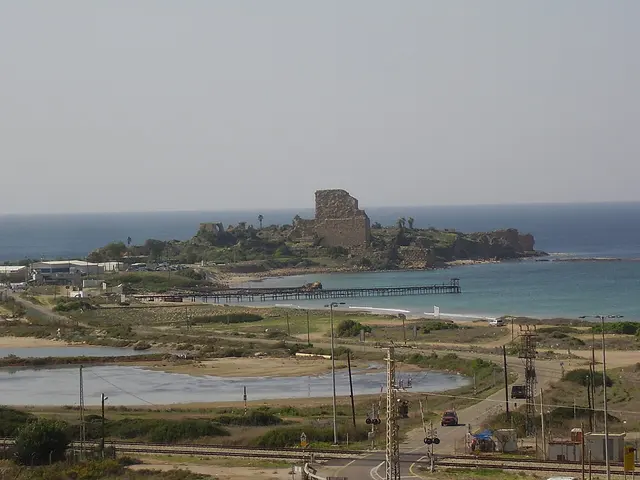
In August 1291 the Templars evacuated without a fight their last great castles on the Levantine coast, Tortosa (3 August) and Atlit (14 August), and withdrew to Cyprus. The Latin military presence on the Levantine mainland thus came to an end; only the island of Ruad off Tortosa remained in Templar hands for a few more years.
RESEARCH DOSSIER
Historical analysis of the event
Background
Tortosa (Tartus) was the Templars' centre in the County of Tripoli. Château Pèlerin at Atlit, built in 1218 during the Fifth Crusade on a promontory jutting into the sea, was a strong castle never taken by force. After the loss of Acre and the other coastal cities, these two castles stood alone before the Mamluk army.
Course of events
With no manpower left to withstand a siege and no hope of outside help, the Templars decided to evacuate the castles rather than defend them. On 3 August 1291 Tortosa was abandoned and its garrison crossed to Cyprus.
On 14 August Atlit was evacuated as well. The castle was taken by the Mamluks without a fight; much of it was later demolished. The Templars left a garrison on the island of Ruad, about three kilometres off Tortosa.
Outcome and significance
With the evacuation of Tortosa and Atlit, the Latin military and political presence on the Levantine mainland effectively ended. Ruad was taken by the Mamluks in 1302 or 1303 and the Templars on the island were captured.
The military orders moved their headquarters to Cyprus; the Hospitallers later moved to Rhodes, while the Templars were dissolved after the prosecution launched by King Philip IV of France from 1307. The title of king of Jerusalem continued to be borne by the Lusignans of Cyprus, and plans to recover the Holy Land were debated in the West throughout the fourteenth century.
Sources and debates
The Templar of Tyre and Abu al-Fida report the evacuations with their dates. Excavations at Atlit have revealed the castle's structure and finds from its last period. The loss of Ruad is dated to 1302 or 1303 in the sources.
Dates, places and figures in this record compare the principal narrative sources with modern scholarship. Where the sources disagree this is stated in the text; for a thesis or publication, consult the relevant edition and page reference.