May – July 1291 · Levantine coast
Evacuation of Tyre, Sidon and Beirut
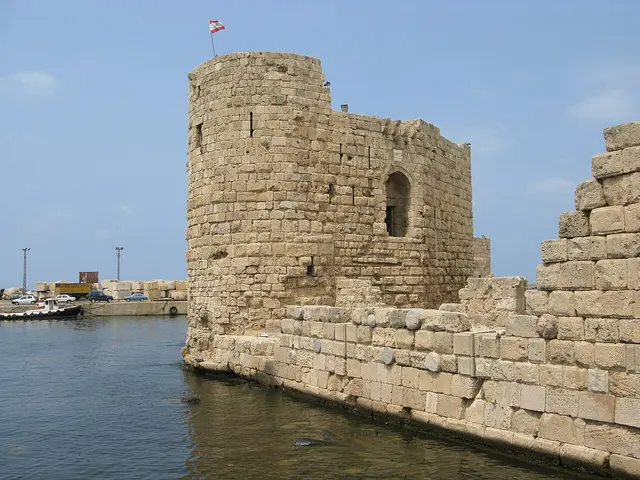
After the fall of Acre, between May and July 1291, the other Latin cities on the Levantine coast were lost one by one. Tyre was abandoned without a fight, Beirut surrendered, and the Templars' sea castle at Sidon was evacuated after holding out for a time.
RESEARCH DOSSIER
Historical analysis of the event
Background
After the fall of Acre only a few coastal cities and castles were left in the Latin East: Tyre, Sidon, Beirut, Haifa, Tortosa and Atlit. Their defenders were few, and most of those who had escaped from Acre had gone to Cyprus. King Henry II was also in Cyprus.
Course of events
Tyre was abandoned without a fight by its garrison and inhabitants on 19 May 1291, the day after Acre fell; the city that had once resisted Saladin surrendered to the Mamluks.
At Sidon the Templars withdrew into the city's sea castle and held out. When the Mamluk army began building a causeway into the sea, the Templars abandoned the castle in mid-July and moved to Tortosa. The people of Beirut agreed to surrender under an agreement, but after the Mamluks entered the city its terms were not honoured; the city was taken on 31 July. Haifa was taken on 30 July and its monasteries burned.
Outcome and significance
With the loss of these cities, the Latin presence on the Levantine mainland was reduced to the Templars' castles at Tortosa and Atlit. Al-Ashraf Khalil had the walls of the cities he took demolished to stop the Franks from using them again as bases from the sea.
The rapid and mostly unresisted fall of the coastal cities shows that after the loss of Acre the Latin East had completely collapsed, morally and militarily.
Sources and debates
The Templar of Tyre and Abu al-Fida report the fall of the cities briefly but with dates. The claim that the terms of Beirut's surrender were violated appears in Latin sources. Dates differ by a few days between sources.
Dates, places and figures in this record compare the principal narrative sources with modern scholarship. Where the sources disagree this is stated in the text; for a thesis or publication, consult the relevant edition and page reference.