June – July 1266 · Safed
Capture of Safed Castle
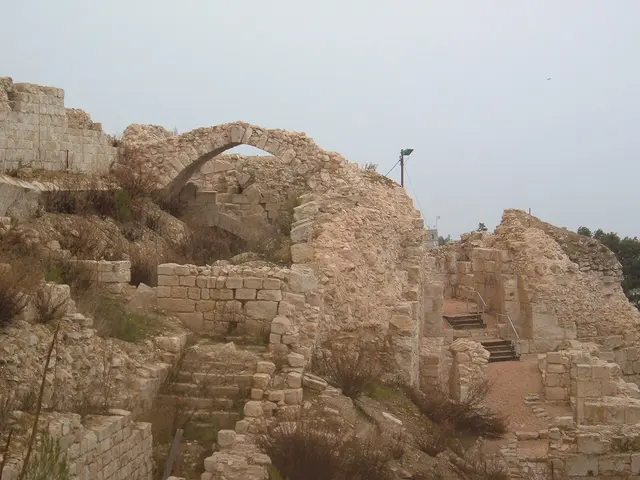
In June 1266 Baybars besieged the powerful Templar castle of Safed in Galilee. After assaults causing heavy losses, the castle surrendered on 23 July 1266 on a promise of safe conduct; but most of the garrison was then executed. The reasons are told differently in the sources.
RESEARCH DOSSIER
Historical analysis of the event
Background
Safed was a great castle on a strategic hill in Galilee, rebuilt by the Templars in the 1240s. It controlled the roads between Damascus and the coast and posed a significant threat to the Mamluks. In 1266 Baybars began a new campaign against the Latin castles.
Course of events
The siege began in mid-June 1266. The Mamluk army attacked the castle with catapults and mining; the first assaults caused heavy losses. To divide the Syrian and Frankish defenders in the castle, Baybars issued a call promising pardon only to the native Christian soldiers, which caused a split in the garrison.
At the end of July the defenders agreed to surrender on condition of safe conduct to Acre. The castle was handed over around 23 July. But after the surrender most of the garrison was executed; a few were left alive.
Outcome and significance
Rather than destroy Safed, Baybars had it rebuilt and made it the centre of Mamluk government in Galilee. The loss of the castle largely ended the Latin presence east of Acre.
The execution of the garrison was remembered in the Latin world as an example of Baybars's bad faith; Mamluk sources claim the defenders had violated the terms of surrender. The episode is an important case for studying how surrender agreements were interpreted and how violence was justified in the crusader and Mamluk wars.
Sources and debates
Ibn Abd al-Zahir writes that the garrison broke the terms by concealing weapons and goods at the surrender. Latin sources, especially the Templar of Tyre and the Gestes des Chiprois, present the execution as treachery and speak of a trick by a Syrian intermediary in the surrender negotiations. Which of these opposing accounts is correct cannot be determined with certainty.
Dates, places and figures in this record compare the principal narrative sources with modern scholarship. Where the sources disagree this is stated in the text; for a thesis or publication, consult the relevant edition and page reference.