1186 (late) · Moab / Kerak
Raid on the Kerak caravan
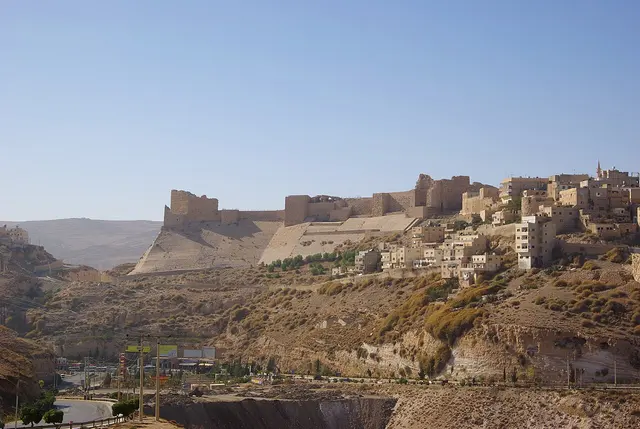
At the end of 1186 or early 1187, Reynald of Châtillon, lord of Kerak, attacked a large caravan travelling from Egypt to Damascus despite the truce. He took the merchants and goods to Kerak and refused the demands of both Saladin and King Guy to return them; this became the direct cause of Saladin's declaration of war.
RESEARCH DOSSIER
Historical analysis of the event
Background
The castles of Kerak and Shawbak lay on the caravan route between Egypt and Syria. During the truce, trade and pilgrim caravans passed freely along this route. Reynald had made similar attacks in 1181 and 1182–1183, and Saladin had sworn to punish him.
Course of events
A large, rich caravan travelling with a military escort was attacked by Reynald's forces as it passed near Kerak. The merchants and guards were captured and the goods taken to Kerak.
Saladin, declaring the truce broken, demanded the return of the prisoners and goods. King Guy also asked Reynald to give them back; but Reynald refused, saying he was an independent lord in his own lands and not bound by any agreement with Saladin.
Outcome and significance
Saladin used the raid as justification for a general campaign against the Kingdom of Jerusalem and raised troops from all his lands in spring 1187. Reynald's action also showed the weakness of King Guy's authority over his barons.
Captured at Hattin a few months later, Reynald was killed by Saladin personally; Muslim sources present the execution as punishment for breaking the truce and for the Red Sea expedition.
Sources and debates
The episode is reported by Imad al-Din al-Isfahani, Baha al-Din ibn Shaddad and Ibn al-Athir. The account attributed to Ernoul claims that Saladin's sister was in the caravan; this detail does not appear in Muslim sources and was most likely added later. The exact date of the raid, between late 1186 and early 1187, is disputed.
Dates, places and figures in this record compare the principal narrative sources with modern scholarship. Where the sources disagree this is stated in the text; for a thesis or publication, consult the relevant edition and page reference.