10 August 1164 · Harim
Battle of Harim
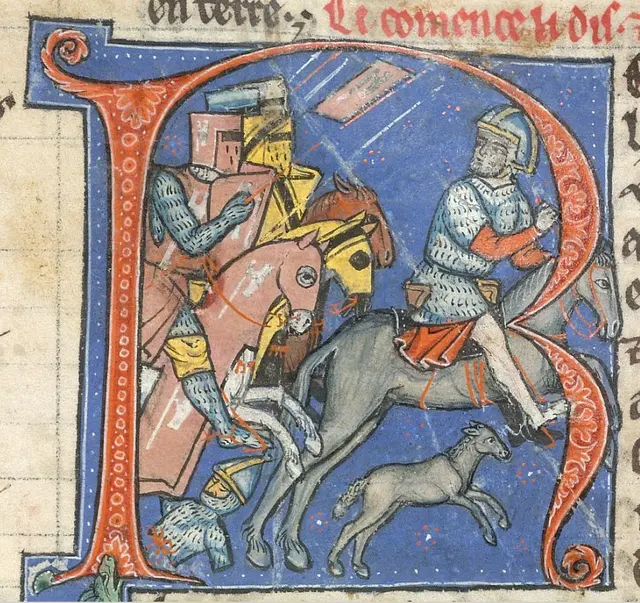
The allied army of Antioch, Tripoli, Byzantium and the Armenians, coming to relieve the castle of Harim besieged by Nur al-Din, suffered a heavy defeat on 12 August 1164. Leading figures such as Bohemond III, Raymond III, Constantine Kalamanos and Joscelin III were captured.
RESEARCH DOSSIER
Historical analysis of the event
Background
In summer 1164, while King Amalric was in Egypt with his army, Nur al-Din besieged the castle of Harim east of Antioch. A coalition including Prince Bohemond III of Antioch, Count Raymond III of Tripoli, Constantine Kalamanos, Byzantine governor of Cilicia, the Armenian lord Thoros and pilgrim nobles such as Hugh VIII of Lusignan gathered to relieve the castle.
Course of events
As the allied army approached, Nur al-Din lifted the siege and feigned a retreat. The Frankish cavalry lost their formation pursuing the withdrawing forces and were surrounded by Nur al-Din's counterattack.
In the battle the allied army broke. Bohemond III, Raymond III, Kalamanos, Hugh of Lusignan and Joscelin III were captured; only Thoros and some Armenian units escaped. Nur al-Din soon took Harim as well.
Outcome and significance
The fate of the captives varied with political relations. Bohemond III was ransomed quickly, in 1165, because of Byzantium's influence on Nur al-Din, who wished to avoid direct conflict with Byzantium. Kalamanos was released in a similar way. Raymond III, however, stayed in Aleppo for about nine years and was not freed until 1173–1174.
Harim was one of Nur al-Din's greatest victories in Syria and largely ended the Frankish presence east of Antioch. The differing lengths of captivity show that crusader-era ransom politics depended on the balance of power.
Sources and debates
William of Tyre and Michael the Syrian give the Latin and Eastern Christian view, Ibn al-Athir and Abu Shama the Muslim one. The battle is dated to 10 or 12 August in the sources. Death tolls, and why Nur al-Din did not besiege Antioch, are debated; fear of Byzantine reaction is the most common explanation.
Dates, places and figures in this record compare the principal narrative sources with modern scholarship. Where the sources disagree this is stated in the text; for a thesis or publication, consult the relevant edition and page reference.