10 June 1190 · Seleucia / Göksu
Death of Frederick Barbarossa
After taking Konya in May 1190, the German emperor Frederick Barbarossa crossed the Taurus and came down into Cilicia. On 10 June 1190 he drowned while crossing the Saleph (Göksu) river near Silifke; most of his army dispersed and only a small contingent reached Acre.
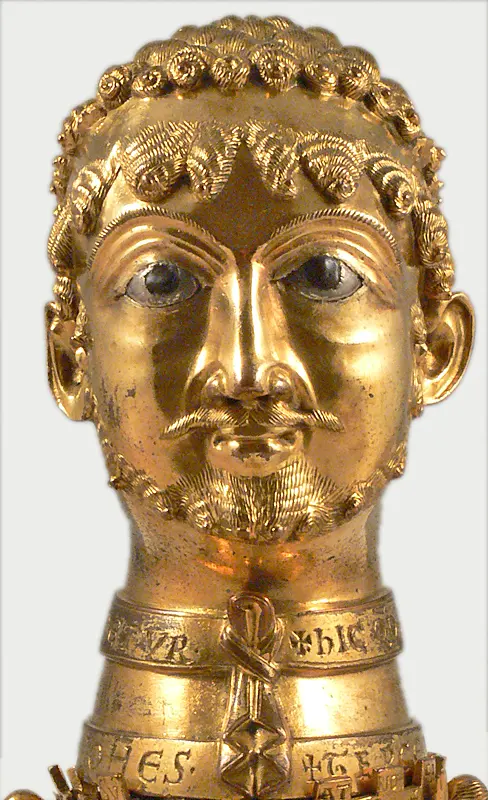
RESEARCH DOSSIER
Historical analysis of the event
Background
Barbarossa's army set out from Regensburg in May 1189; it experienced serious tensions with Byzantium in the Balkans and crossed the Dardanelles into Anatolia in spring 1190. The Anatolian Seljuk sultan Kilij Arslan II had agreed to its passage, but because of a power struggle among his sons the agreement was not honoured.
Course of events
The German army advanced through western Anatolia under Turkmen attacks and short of supplies. On 18 May 1190, before Konya, it defeated the forces of Qutb al-Din Malikshah, took the city and sacked it. It then reached terms with Kilij Arslan, crossed the Taurus via Karaman and reached Armenian Cilicia.
On 10 June 1190 near Silifke the aged emperor was swept away by the current and drowned, according to the sources either while bathing to cool off in the heat or while crossing the river on horseback.
Outcome and significance
The emperor's death caused a collapse of morale in the army. Many soldiers dispersed or went home; some died of disease after reaching Antioch. His son Duke Frederick of Swabia reached Acre with a small contingent in October 1190 but died there in January 1191.
Barbarossa's death effectively removed the largest and best-organised army of the Third Crusade. In Saladin's circle the news was received with great relief. Parts of Barbarossa's remains were buried at Antioch and Tyre.
Sources and debates
The Historia de expeditione Friderici imperatoris and the Historia peregrinorum are detailed accounts from the German side. Ibn al-Athir and Baha al-Din ibn Shaddad report the emperor's death and the dispersal of the army. The exact circumstances of the death differ between sources; in Germany the legend later grew that Barbarossa had not died and would one day return.
Dates, places and figures in this record compare the principal narrative sources with modern scholarship. Where the sources disagree this is stated in the text; for a thesis or publication, consult the relevant edition and page reference.