25 October 1147 · Eskişehir region
Defeat of the German army at Dorylaeum
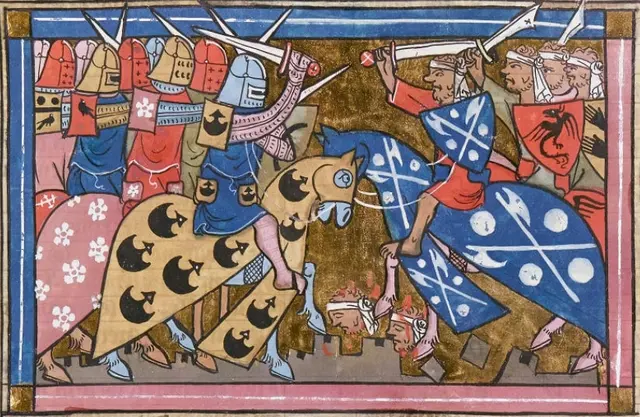
In October 1147 Conrad III's German army, advancing from Nicaea toward Konya, ran short of supplies and grew exhausted near Dorylaion (Eskişehir). Repeated attacks by Sultan Mas'ud I's cavalry destroyed most of the army, and Conrad retreated to Nicaea.
RESEARCH DOSSIER
Historical analysis of the event
Background
The German army reached Constantinople in September 1147. Manuel I advised Conrad to wait for the French and follow the coastal road; Conrad chose instead to march straight from Nicaea to Konya along the First Crusade's route. The army included many non-combatant pilgrims and had supplies for only a few days.
Course of events
After leaving Nicaea the army ran short of water and food despite Byzantine guides showing the way. In the arid region near Dorylaion, Sultan Mas'ud I's cavalry began hit-and-run attacks lasting several days. The heavily armoured German knights could not respond effectively to the fast, light Seljuk archers.
Around 25 October Conrad decided to retreat. The attacks continued during the withdrawal; most of the army was killed or captured. Conrad, wounded, reached Nicaea with his remaining men.
Outcome and significance
The defeat effectively destroyed the German army. Conrad's remaining soldiers joined the French; he himself fell ill, returned to Constantinople and went on to Acre in Byzantine ships. A separate column under Otto of Freising, following the coast road, also suffered heavy losses near Laodicea. Dorylaion showed again that Anatolia was still the hardest obstacle for Western armies to overcome.
Sources and debates
Odo of Deuil and William of Tyre attribute the defeat to the treachery of Byzantine guides; this charge is widespread in Latin sources, but historians stress that the real causes were poor planning and lack of supplies. Conrad's own letters describe the loss briefly. Casualty figures are uncertain.
Dates, places and figures in this record compare the principal narrative sources with modern scholarship. Where the sources disagree this is stated in the text; for a thesis or publication, consult the relevant edition and page reference.