1263 · Nazareth, Acre and Galilee
Baybars' first major coastal raid
In spring 1263 the Mamluk sultan Baybars led a major campaign into the Kingdom of Jerusalem. He had the Church of the Annunciation in Nazareth and the monastery on Mount Tabor destroyed, ravaged the surroundings of Acre and attacked its walls, but withdrew without attempting to take the city.
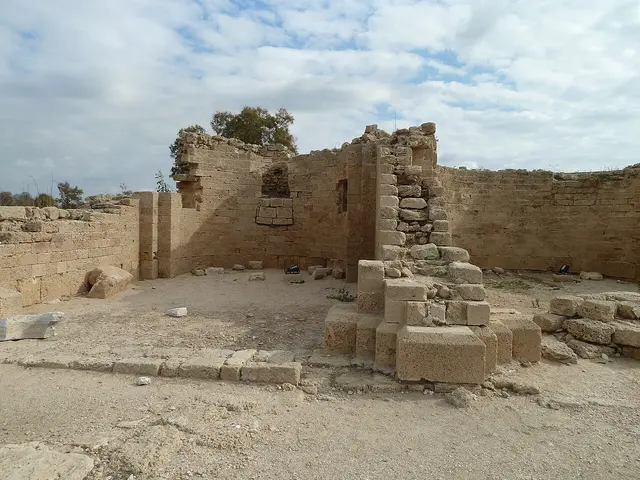
RESEARCH DOSSIER
Historical analysis of the event
Background
After becoming sultan in 1260, Baybars consolidated his power and brought Damascus and Aleppo under his rule. Prisoner-exchange negotiations were under way under earlier treaties with the Franks; Baybars claimed that the Franks had not fulfilled the terms. The Franks' relations with the Mongols also heightened the sultan's suspicion.
Course of events
Baybars entered Galilee with his army in April 1263. He had the Church of the Annunciation in Nazareth and the churches on Mount Tabor destroyed. He then came before Acre and attacked the city's suburbs and the surrounding orchards; there was fighting before the walls.
The sultan did not undertake a long siege against Acre's strong walls and withdrew his army. Frankish villages and farmland suffered heavy damage throughout the campaign.
Outcome and significance
The 1263 campaign was the beginning of a strategy of attrition by which Baybars tested the defences of Latin territory and aimed to ruin its agricultural economy. The destruction of churches was presented in Baybars's propaganda as an important element of jihad against the crusaders.
The campaign prepared the systematic conquests that began in 1265: Caesarea, Arsuf, Safed, Jaffa and Antioch fell to the Mamluks within a few years.
Sources and debates
Ibn Abd al-Zahir's biography of Baybars describes the campaign in detail from the sultan's point of view. On the Latin side, the Gestes des Chiprois and letters sent from Acre to the West report the destruction. The details of the prisoner-exchange dispute cited as the campaign's justification differ between sources.
Dates, places and figures in this record compare the principal narrative sources with modern scholarship. Where the sources disagree this is stated in the text; for a thesis or publication, consult the relevant edition and page reference.