31 March 1146 · Vézelay
Assembly of Vézelay and the preaching of the Second Crusade
On Easter Day, 31 March 1146, at Vézelay, Bernard of Clairvaux preached the Second Crusade before King Louis VII and a great crowd. The king, Queen Eleanor and a large part of the French aristocracy took the cross there.
RESEARCH DOSSIER
Historical analysis of the event
Background
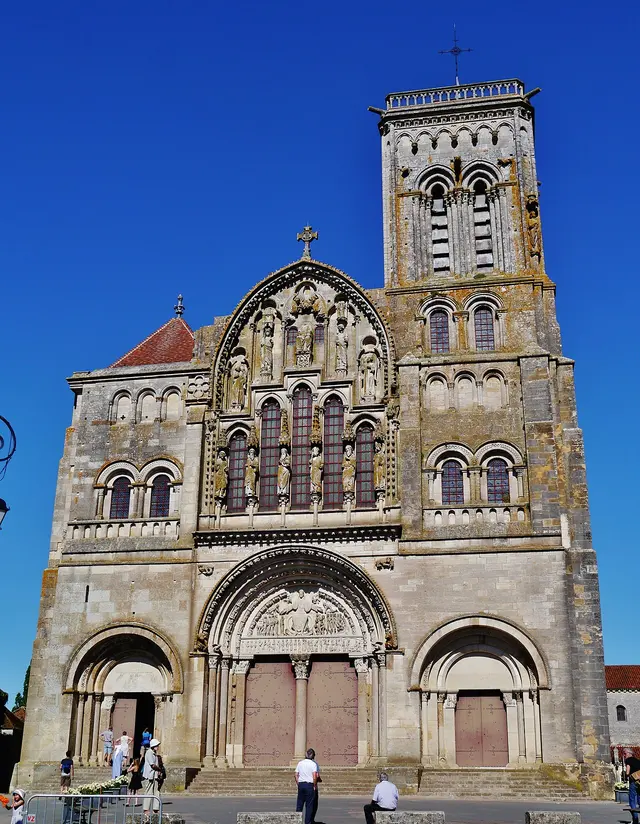
After the bull Quantum praedecessores, Pope Eugenius III entrusted the preaching of the expedition to his former teacher Bernard of Clairvaux, the most influential churchman of the age. Louis VII had raised the crusade at Bourges in December 1145 but had not found the support he expected from the barons. Vézelay in Burgundy, with its famous abbey dedicated to Mary Magdalene, was a major pilgrimage centre.
The assembly
Because the crowd could not fit in the abbey church, the assembly was held in the open on a hillside outside the town. After Bernard's sermon Louis took the cross sent by the pope; Queen Eleanor and many nobles also took the cross.
According to Bernard's friend Odo of Deuil, the crosses prepared in advance ran out and Bernard tore up his own habit to make more. The scene later became one of the popular images of the expedition.
Outcome and significance
Vézelay turned the Second Crusade into a mass movement led by the French crown. Bernard then went to Germany and in December 1146 at Speyer persuaded Conrad III to join as well. But the expedition's objective, route and relations with Byzantium were not settled in detail at Vézelay; these questions were left to the assembly at Étampes in February 1147.
Sources and debates
Odo of Deuil's De profectione Ludovici VII in orientem is a first-hand account written by the king's chaplain. The text of Bernard's sermon at Vézelay does not survive; his letters, however, reflect the language of the appeal. The reasons for Eleanor's participation and her role became the subject of exaggerated tales in later literature.
Dates, places and figures in this record compare the principal narrative sources with modern scholarship. Where the sources disagree this is stated in the text; for a thesis or publication, consult the relevant edition and page reference.