28 November – 24 December 1144 · Edessa
Zengi's capture of Edessa
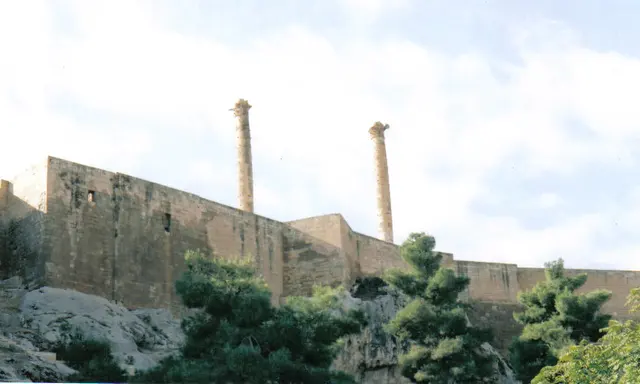
While Count Joscelin II was away from the city, Imad al-Din Zengi besieged Edessa in November 1144. The city was entered on 24 December through walls brought down by mining, and the citadel surrendered two days later. The fall of the first crusader state's capital gave rise to the Second Crusade.
RESEARCH DOSSIER
Historical analysis of the event
Background
Weakened after the campaigns of Mawdud and Belek, the County of Edessa had come to rely on Turbessel, west of the Euphrates. Joscelin II was at odds with Prince Raymond of Poitiers of Antioch. Imad al-Din Zengi, who had united Mosul and Aleppo, was watching for an opportunity while dealing with the Artuqid lords east of the county.
Course of events
In autumn 1144, while Joscelin had crossed west of the Euphrates with his army, Zengi marched rapidly on Edessa and began the siege on 28 November. The defenders were mostly Armenian and Syriac inhabitants; the Latin archbishop Hugh directed the defence. While Joscelin waited at Turbessel, the help sent by Queen Melisende from Jerusalem did not arrive in time.
Zengi's sappers dug tunnels under the northern walls. On 24 December, when the props in the tunnels were set alight, part of the wall collapsed and the city was entered. Many of the inhabitants fleeing in panic to the citadel were crushed at the gates; the archbishop was killed. The citadel surrendered on 26 December.
Outcome and significance
Zengi had the Latins killed but largely spared the native Christians and encouraged the city's resettlement. The fall of Edessa was celebrated as a great victory in the Muslim world, and the caliph granted Zengi titles.
In the Latin world the loss of the first crusader state's capital caused a deep shock. Pope Eugenius III's appeal in December 1145 launched the Second Crusade. Zengi was killed in September 1146 while besieging the castle of Ja'bar.
Sources and debates
The fullest testimony comes from Syriac chronicles drawing on Basil bar Shumana, the Syriac bishop present in the city during the siege. Ibn al-Qalanisi and Ibn al-Athir report Zengi's victory; William of Tyre accuses Joscelin of negligence. The death toll and Zengi's attitude to the native Christians are given with different emphases in the sources.
Dates, places and figures in this record compare the principal narrative sources with modern scholarship. Where the sources disagree this is stated in the text; for a thesis or publication, consult the relevant edition and page reference.