1–7 March 1095 · Piacenza
Council of Piacenza and the Byzantine appeal
At the council Pope Urban II held in Piacenza, envoys of Alexios I Komnenos asked the West for military help against the Turkish advance in Anatolia. Their appeal formed the immediate background to the call at Clermont later that year.
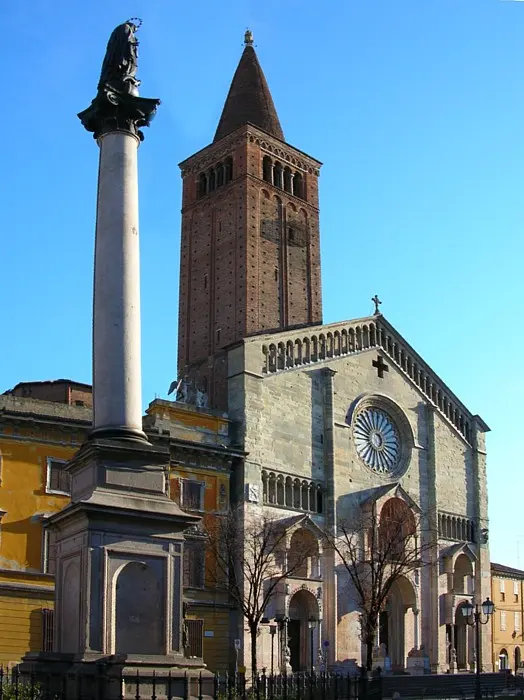
RESEARCH DOSSIER
Historical analysis of the event
Background
After the defeat at Manzikert in 1071, Byzantium lost most of Anatolia to Seljuk and Turkmen lords. When Alexios I Komnenos took the throne in 1081 he also had to fight the Normans and the Pechenegs in the Balkans; the imperial army was already used to hiring Western soldiers.
Urban II, elected pope in 1088, was struggling in Rome against the rival pope Clement III and trying to rebuild the authority of the reform papacy through councils in Italy and France. Repairing relations with the Eastern Church, damaged since the schism of 1054, was part of that programme.
The council and the Byzantine envoys
The council met in Piacenza in the first week of March 1095. The contemporary chronicler Bernold of Constance gives an inflated attendance in the thousands; the gathering was so large that some sessions were held in the open outside the city. Most of the agenda concerned reform issues such as church discipline, simony and clerical marriage.
According to Bernold, Alexios's envoys asked the pope and those present to send help “for the defence of the holy church against the pagans”. Urban encouraged his listeners to aid the emperor and to bind themselves by oath to do so. Whether the envoys mentioned Jerusalem is unknown; the account stresses only the plight of Eastern Christians and Byzantium.
Outcome and significance
No expedition was proclaimed at Piacenza. That summer, however, Urban crossed the Alps into France, and in November at Clermont he issued his call combining aid to Byzantium with an armed pilgrimage to Jerusalem and the remission of sins. Piacenza is therefore the first step showing how a concrete military request from the East entered papal policy.
What Alexios expected was a limited number of mercenary knights fighting under imperial command. A few years later independent armies tens of thousands strong arrived at his gates; this gap between the Byzantine request and the Western response was one source of the mistrust that ran through the First Crusade.
Sources and debates
The only direct testimony to the embassy is Bernold of Constance's chronicle; Byzantine sources, notably Anna Komnene, do not mention Piacenza. The scope of the request, whether Alexios raised Jerusalem, and its weight in the Clermont appeal are therefore debated. The council's canons are printed in the collections of Mansi and Tanner, and the episode is weighed differently by historians such as Riley-Smith and Frankopan.
Dates, places and figures in this record compare the principal narrative sources with modern scholarship. Where the sources disagree this is stated in the text; for a thesis or publication, consult the relevant edition and page reference.