1231–1243 · Cyprus and Acre
War of the Lombards
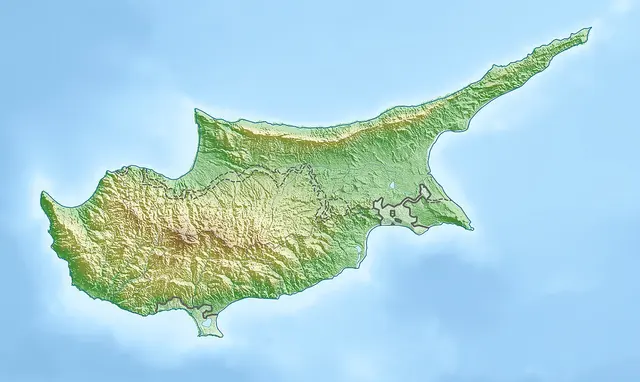
Between 1229 and 1243, Frederick II's representatives in the East and the local aristocracy led by John of Ibelin of Beirut fought for control of Cyprus and the Kingdom of Jerusalem. The struggle, called the “War of the Lombards” in the sources, ended when imperial rule was terminated with the capture of Tyre in 1243.
RESEARCH DOSSIER
Historical analysis of the event
Background
Through his marriage to Queen Isabella of Jerusalem, Frederick II claimed the right to rule the kingdom as regent and, after the birth of his son Conrad IV, as his guardian. Claiming also that Cyprus was subject to imperial suzerainty, he demanded the regency there too. John of Ibelin of Beirut and the local barons opposed these demands, invoking the customs of the kingdom and the authority of the barons' assembly.
Course of events
In 1231 Frederick's marshal Riccardo Filangieri came East with imperial forces known as the “Lombards”, took the city of Beirut and besieged its citadel. The commune of Acre's burgesses and the Genoese supported the Ibelins.
In May 1232 Filangieri defeated the Ibelins at Casal Imbert; but in June 1232, at the Battle of Agridi in Cyprus, the Ibelins won a decisive victory and freed Cyprus from imperial influence. Tyre, however, remained in imperial hands. In 1243, when Conrad IV came of age, the barons' assembly gave the regency to Queen Alice of Cyprus, and the Ibelins, with Venetian support, took Tyre and ended the imperial presence.
Outcome and significance
The war led to a fragmented political structure in the Kingdom of Jerusalem in which barons, the commune, the military orders and the Italian cities competed in place of a central royal authority. After 1243 the kingdom was governed by regents in the name of absent Staufen kings.
This period is also when important law books setting down the Ibelin legal tradition appeared, such as the treatise of John of Ibelin, count of Jaffa.
Sources and debates
The main narrator is Philip of Novara, who fought on the Ibelin side; his account is openly partisan and portrays Frederick's representatives negatively. The Gestes des Chiprois and the continuations of Ernoul also provide information. Historians date the war's beginning and end differently.
Dates, places and figures in this record compare the principal narrative sources with modern scholarship. Where the sources disagree this is stated in the text; for a thesis or publication, consult the relevant edition and page reference.