28 June 1119 · Sarmada / Balat
Battle of the Field of Blood
On 28 June 1119 the army of Roger of Salerno, regent of Antioch, was surrounded near Sarmada by the forces of Ilghazi, ruler of Mardin, and almost entirely destroyed. Roger died in the battle; Latin sources called the battlefield “Ager Sanguinis”, the Field of Blood.
RESEARCH DOSSIER
Historical analysis of the event
Background
In 1118 Ilghazi also took over the government of Aleppo, creating a powerful centre in northern Syria. In summer 1119 he advanced into Antiochene territory with Turkmen forces and awaited the support of Toghtekin, atabeg of Damascus. Roger asked King Baldwin II of Jerusalem and the count of Tripoli for help but, without waiting for reinforcements, camped near Sarmada on the road to Aleppo.
Course of events
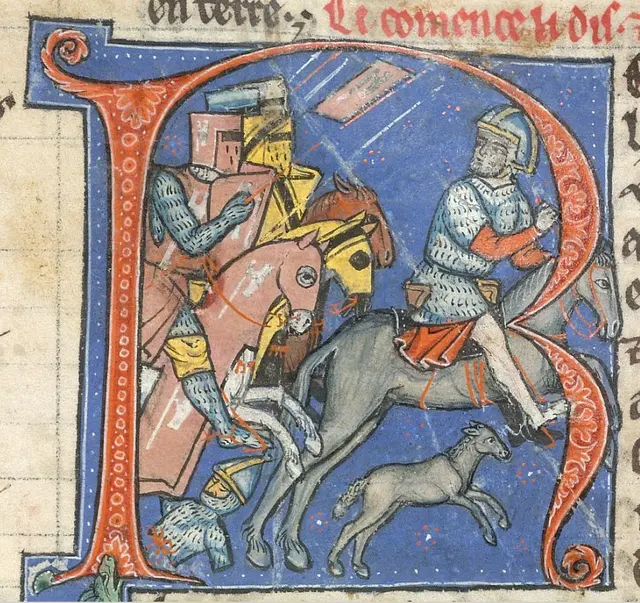
During the night Ilghazi's forces occupied the surrounding hills and encircled the Frankish camp from three sides. In the attack that began on the morning of 28 June the Antiochene units resisted in places, but broke under dust raised by the wind and the pressure of the Turkish archers.
Roger was killed in the thick of the fighting. Few escaped; some of the captives were later killed in Ilghazi's camp. Antioch's knightly strength had been largely destroyed in a single day.
Outcome and significance
The patriarch of Antioch organised the city's defence, and Ilghazi's failure to march on it saved the principality. Baldwin II came north in August, fought an inconclusive battle with Ilghazi's army near Hab on 14 August, and took over the regency of Antioch.
The Field of Blood was a turning point that exposed the military fragility of the crusader states and tied the king of Jerusalem to the defence of the north. The atmosphere of crisis in the kingdom forms the background to the Council of Nablus, which met a few months later.
Sources and debates
The Bella Antiochena of Walter the Chancellor of Antioch describes the battle and the treatment of the prisoners in detail and highly emotional language; Walter himself may have been captured. Fulcher and Matthew of Edessa give brief information; Ibn al-Qalanisi and Ibn al-Athir report Ilghazi's victory. Death tolls and the extent of the violence against prisoners vary between sources.
Dates, places and figures in this record compare the principal narrative sources with modern scholarship. Where the sources disagree this is stated in the text; for a thesis or publication, consult the relevant edition and page reference.